
Cannabis Branding Done Right: What Dad Grass and Miles Davis Just Pulled Off
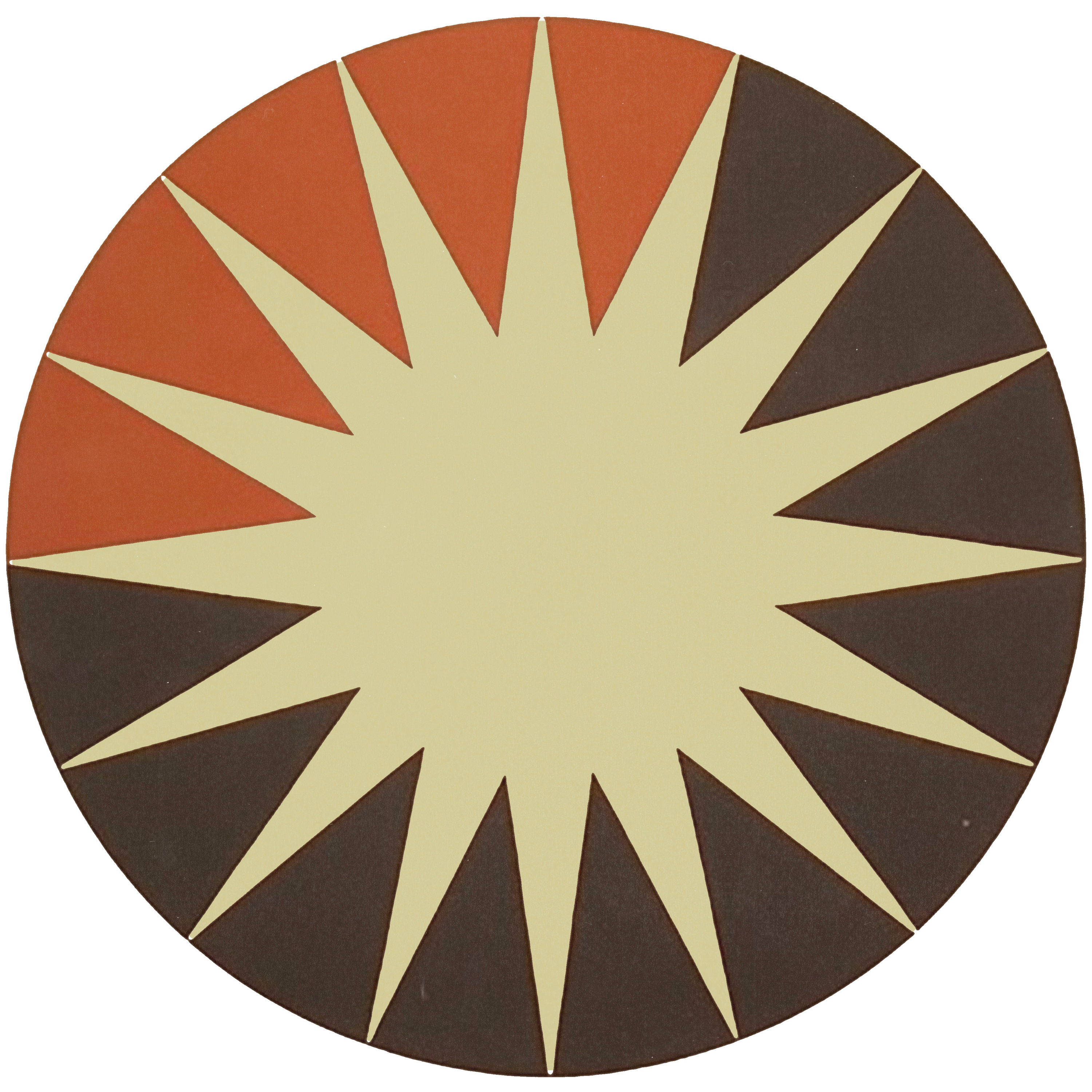
Dad Grass just put Miles Davis on a can, and every founder building a consumer brand should stop and study it. The Bitches Brew Leisure Drink, made with the Miles Davis Estate for the trumpeter's centennial, is a 3mg THC drink that tastes like guava and hibiscus with cacao and lemon underneath, brewed to drink like the album sounds. It is also one of the sharpest pieces of cannabis branding to ship in years, and the reasons it works have almost nothing to do with cannabis. They have to do with where American drinking culture just went, what nostalgia actually does in a buyer's head, and why the minimal, sanitized, could-be-anyone brand is quietly dying in the age of AI slop.

Start with the ground shifting under the category. Gallup's latest numbers say 54 percent of American adults drink alcohol, the lowest figure in nearly ninety years of asking, down three years straight. Among 18 to 34 year olds it has fallen to half, and the average drinker is down to fewer than three drinks a week, the lightest pour in three decades. For the first time, most Americans say even moderate drinking is bad for you. The hangover finally lost the argument.
But here is the part the sober-curious think pieces keep missing: nobody stopped wanting the ritual. People still want the thing you crack open at six, the object you hold at the party, the small ceremony that separates the workday from the evening. They walked away from the alcohol, and they did not stop wanting to feel something. That gap between the ritual people kept and the substance they dropped is one of the biggest branding openings of the decade, and Dad Grass just showed everyone how to walk through it: a mild, sessionable, no-hangover buzz, dressed not as a wellness product but as leisure. Their word, and it is the exactly right word.
Why is this cannabis branding masterclass built on a 1970 jazz album?
Because nostalgia is not decoration, it is trust on credit. Bitches Brew is a real cultural object with fifty-six years of weight: the album that broke jazz open, with cover art strange enough that your uncle still remembers staring at it. Borrowing that world tells a buyer things a minimal seltzer can never say. It says this brand has taste, this brand knows where it comes from, this brand is for people who care what things mean. Dad Grass has been fluent in this language from day one: the whole company is built on the memory of the mellow, low-stakes grass your dad smoked in the seventies, and their collaborations read like a record collection, Miles Davis, George Harrison, CREEM magazine, Margo Price. We know the weight of that estate work firsthand, because we made the official music video for George Harrison's Be Here Now with the Harrison estate. Institutions like that do not lend their names to brands without a point of view. The collaboration IS the credential.
And the nostalgia does real commercial work. A new category has a familiarity problem: most people have never bought a THC drink and are not sure they are the kind of person who would. Wrap the unfamiliar thing in a familiar feeling and the resistance melts. That is the mechanic we call vibe branding, building the brand on a feeling the customer already owns. A 3mg drink named after a jazz record does not read as a drug product. It reads as a cultural object you happen to be able to drink.
What does this say about minimal branding in the AI era?
That its cover is blown. For a decade the safe move was the same beige playbook: lowercase sans-serif, one muted color, a vaguely scientific promise, no humans anywhere. Then generative tools made that look free, and the market flooded with brands wearing it, most of them built in an afternoon. We wrote about what happens when everyone builds from the same machine: the output converges on the median, and buyers have learned to smell it. Blank minimalism used to signal confidence. Now it signals that there might be nobody home.
So trust migrated to the signals a machine cannot fake. A founder with a name and a face. A backstory with specifics in it. Opinions strong enough to cost the brand somebody. Dad Grass runs on all three: real founders, a warning label that says these bad boys will get you mildly buzzed, an age gate that tells you that you do not have to be a dad or a dude to be here, and the nerve to put four figures of Lion's Mane and an estate-approved jazz masterpiece in the same can and charge $44 without flinching. None of it is safe. All of it is memorable. In a feed of interchangeable AI-slop brands, boldness has become the cheapest trust signal there is, because it proves an actual person made a decision and signed their name to it.
The lesson is bigger than cannabis branding, and it lands on every founder reading this. People are buying less out of habit and more out of meaning. They want to feel something, from the drink and from the brand. They want to know who they are supporting and what that person believes. If your brand cannot answer those questions, no palette will save it, and the answers do not come from a design tool. They come out of you. That is the work our Guided Brand Strategy exists for: $499, a private discovery workspace you fill out on your own time, that pulls the story, the taste, and the point of view out of your head and turns it into a Strategic Foundation you can build a bold brand on.
Miles recorded Bitches Brew in three days by trusting strange instincts nobody else would sign off on. Fifty-six years later, that nerve is still selling. Play it like Miles. The safe take is the only one nobody remembers.


Comments